What Are The Warning Signs Of A Pulmonary Embolism
Pulmonary Embolism: Signs, Diagnosis & Treatment What Is a Pulmonary Embolism? A pulmonary embolism (PE) is a blood clot that blocks an artery in your lungs,
Blood clots can be a scary issue. If you’re at risk for them, it’s always a good idea to be screened regularly to ensure that they’re detected right away. The sooner that they are treated, the better.
Blood clots can form in any area of the body where veins exist. A blood clot, or thrombus, is formed when blood cells clump together as a trauma response to stop bleeding. If a blood vessel is damaged, injured, or diseased and experiences blood pooling or bleeding, the blood clot will adhere to the injury site to stop blood loss and facilitate healing. If you suspect that you have a blood clot, or deep vein thrombosis (DVT) visit the ER immediately.
The circulatory system relies on clotting to prevent excessive bleeding. However, if there is an abnormal clot formation, it can lead to serious health issues that require immediate medical care.
A deep vein blood clot can be dangerous if it breaks off and travels through the veins to the lungs. Up to 900,000 Americans every year are diagnosed with deep vein thrombosis and pulmonary embolism, which is a venous clot that affects the lungs. Nearly 100,000 people die of this type of blood clot per year. If you are concerned that you might have a blood clot, reach out to your doctor as soon as possible. If you suspect you have a blood clot or DVT, please visit the ER immediately.
Our primary focus is on preventing the progression of existing clots and inhibiting the formation of new ones. We tailor treatment plans to each patient’s unique needs, employing a range of advanced therapeutic options.
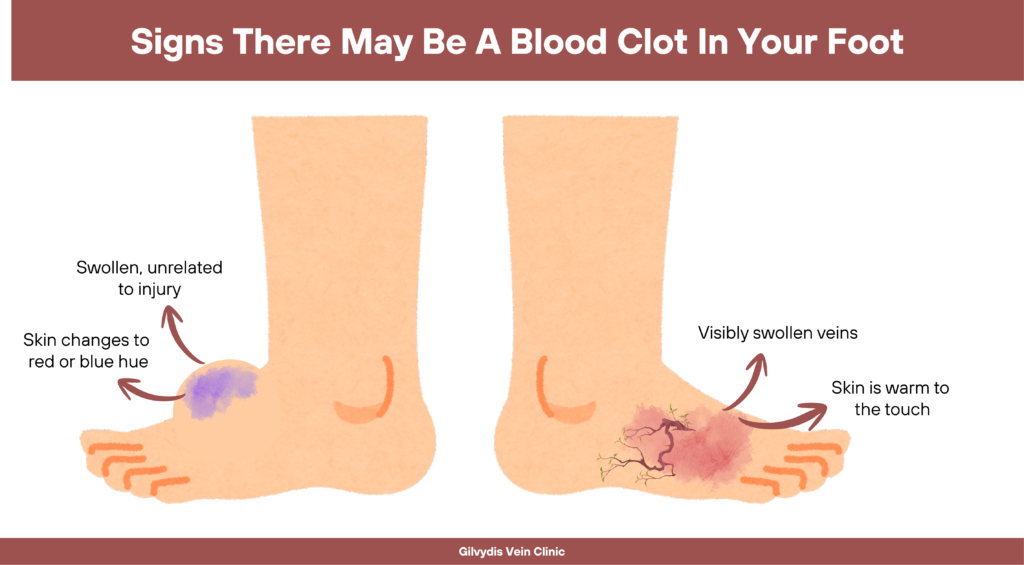
Blood clots in the feet, often a form of deep vein thrombosis (DVT), can pose serious health risks if left untreated. Recognizing the symptoms early and seeking appropriate treatment is crucial to prevent complications.
The signs of having a blood clot in your foot include:
If you experience any of the following serious symptoms, seek immediate treatment:
If you suspect a blood clot in your foot, prompt medical attention is crucial to prevent serious complications. Treatment options vary based on the clot’s severity and location and may include medications, lifestyle adjustments, or surgical interventions.
Your doctor may prescribe medications that aim to thin your blood to stop your clot from growing. The most common medications that are used are oral anticoagulants like rivaroxaban and apixaban.
Other medications that may be prescribed include:
Blood thinning medications make it more difficult for your blood to clot and keep existing clots as small as possible. They also decrease the chances that you’ll develop more clots in the future. These medications may not be effective if the blood clot is severe. In that case, your doctor may utilize thrombolytic medications. These are used to break up clots and are received intravenously.
Your doctor may recommend surgery to remove a deep vein thrombosis clot. This is typically only recommended with large blood clots or clots that can cause serious issues.
During surgery to remove the blood clot, your surgeon will make an incision into a blood vessel. They will then locate and remove the clog. Finally, they’ll repair the blood vessels and tissue.
In certain cases, they may use a small inflating balloon to keep the blood vessels open during surgery. When the clot is removed, the balloon is removed, as well. Surgery can come with risks, as well. They include:
If you’re at high risk for deep vein thrombosis, wearing compression stockings can prevent swelling and lower your chance of developing clots. They reach just below your knee and are recommended to be worn every day to be effective.
If you can’t take blood thinners, you may need a filter inside the large abdominal vein called the vena cava. This treatment helps prevent pulmonary embolisms by stopping clots from entering your lungs.
However, filters have risks. If they’re left in for too long, they can increase your risk of deep vein thrombosis. Filters should only be used for a short-term period until the risk is reduced; then, blood thinners can be utilized.
If your blood clot is diagnosed and your doctor prescribes medicine, there are home remedies that you can utilize in addition to your treatment.
Common signs include pain and swelling in one foot without injury, warm or red skin, and visible veins that are swollen or tender. These symptoms can indicate a deep vein thrombosis (DVT), which may require medical evaluation.
It’s crucial to seek immediate medical attention if you experience symptoms such as sudden swelling, pain, or redness in your foot. Prompt diagnosis and treatment can prevent complications like pulmonary embolism.
Treatment options may include blood thinners (anticoagulants), compression stockings, and elevating the affected leg. In severe cases, procedures like thrombolysis or thrombectomy might be necessary.
Yes, maintaining a healthy weight, staying active, avoiding prolonged immobility, and not smoking can reduce the risk of developing blood clots. Regular leg exercises and staying hydrated are also beneficial.
Individuals over 60, those who are overweight, smokers, or have certain medical conditions like diabetes or a history of blood clots are at increased risk. Pregnant women and people who have had recent surgery or prolonged bed rest are also more susceptible.

Pulmonary Embolism: Signs, Diagnosis & Treatment What Is a Pulmonary Embolism? A pulmonary embolism (PE) is a blood clot that blocks an artery in your lungs,

6 Tips for Healthy Veins Veins carry blood to the heart. If you’re noticing large veins that seem to be popping out of your skin

Warning Signs of Deep Vein Thrombosis Deep vein thrombosis is a dangerous medical condition caused when a clot hinders blood flow in your arms or
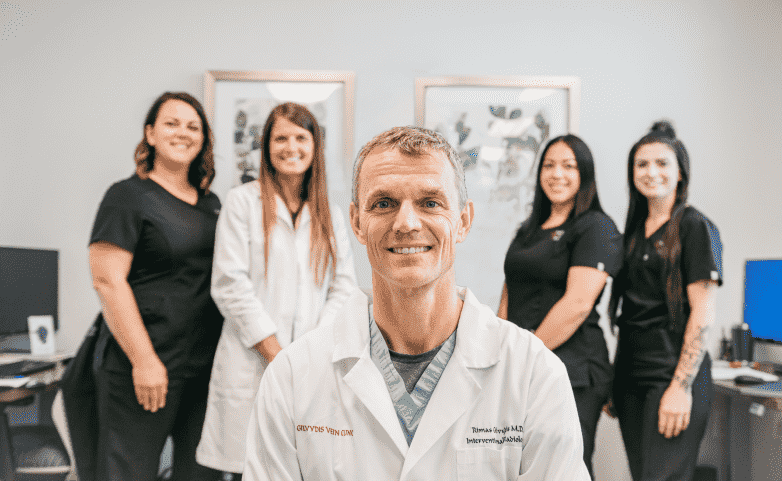
Whether you’re seeking relief from discomfort or looking to restore your confidence, Gilvydis Vein Clinic offers safe, fast, and effective varicose vein surgery solutions. Our expert team is here to guide you every step of the way—from diagnosis through recovery.
We’re proud to be one of three vein centers in Illinois with an IAC accreditation. Get back on your feet with a team of vein specialists who help you understand your vein treatment options.