Difference Between Arteries and Veins:
5 Key Differences

With every passing second, complex processes take place inside our bodies to keep it both healthy and alive. One of these processes is the transportation of blood to and from the heart – veins and arteries are the major blood vessels charged with this task. Veins typically bring oxygen-depleted blood to the heart, while arteries transport oxygenated blood from the heart to the rest of the body.

Understanding the difference between veins and arteries will help you learn more about your possible diagnosis relating to varicose and spider veins. If you’re concerned that you may be suffering from one of these conditions, make sure to reach out to us at Gilvydis Vein Clinic immediately.

The Characteristics of Veins

To better understand the difference between arteries and veins, it is important to identify their characteristics. Here are some of the features of veins, including their functions:

  • Veins transport blood that has been depleted of oxygen back to the heart.
  • Pulmonary veins transport oxygenated blood from the lungs to the heart’s left atrium.
  • Veins have valves that ensure blood flows in the right direction.
  • Veins have thin walls and can often be injured, leading to varicose veins or vein disease.
  • Veins are usually close to the surface of the skin but do not give off a pulse.

There are four types of veins, including deep veins, superficial veins, pulmonary veins and systemic veins.

The Characteristics of Arteries

Below are some of the characteristics of arteries, including their functions.

  • Arteries transport blood rich with oxygen away from the heart and to other parts of the body.
  • Pulmonary arteries transport deoxygenated blood from the heart’s right ventricle to the lungs.
  • Arteries do not have valves and rely on blood pressure to keep blood flowing in the right direction.
  • Arteries have thicker muscular walls to withstand the high pressure of blood rushing through them.
  • Arteries are usually found deeper in the body, but provide a detectable pulse.

There are three types of arteries, including elastic arteries, muscular arteries and arterioles.

What are Some Diseases that Affect Arteries and Veins?

Like any other part of the body, arteries and veins are subject to disorders that may be caused by birth deformities, poor health or older age. Here are a few you should know about:

  • Deep vein thrombosis is a condition where a blood clot develops in a large vein.
  • Pulmonary embolism describes the situation where a blood clot breaks off and makes its way to the lungs.
  • Lymphedema occurs when there is a blockage in the lymph vessels.
  •  Chronic venous diseases include on-going conditions like leg swelling, spider veins and varicose veins.
  •  Peripheral artery disease is a fairly common condition stemming from narrowed arteries, which then prevent the proper flow of blood to the arms and legs.
  •  Coronary artery disease occurs when the arteries supplying your heart with blood develop abnormalities or become damaged.

How to Keep Your Arteries and Veins Healthy

Like any other part of the body, arteries and veins are subject to disorders that may be caused by birth deformities, poor health or older age. Here are a few you should know about:Age and genetics often play a role in the health of your arteries and veins. However, making healthy life choices does help promote vein and artery health. Some additional tips include:

  • Maintain a healthy weight through diet and exercise. Stay active by working out at the gym, riding a bike, walking the dog or hiking with friends.
  • Refrain from taking high doses of calcium supplements, if possible, as recent studies find that the body stores excess calcium in the artery walls.
  • Get your cholesterol checked and work with your doctor to keep it at a healthy level. Too much cholesterol can lead to plaque buildup in the arteries. This, in turn, can lead to heart attacks or strokes.

Frequently Asked Questions About Arteries and Veins

What is the difference between arteries and veins?

The main difference between arteries and veins is the direction in which they carry blood. Arteries carry blood away from the heart, while veins return blood to the heart. Arteries generally have thicker, more muscular walls to withstand higher blood pressure, whereas veins have thinner walls and often contain valves that help prevent blood from flowing backward. Most arteries in the body carry oxygen-rich blood, and most veins carry oxygen-poor blood, although the pulmonary arteries and veins are important exceptions.

What are the 5 main differences between arteries and veins?

The five main differences between arteries and veins involve blood flow, wall structure, blood pressure, valves, and typical oxygen content. Arteries carry blood away from the heart and have thicker, more muscular walls that withstand higher pressure. Veins carry blood toward the heart, operate under lower pressure, and often have valves that help prevent backflow. Arteries usually carry oxygen-rich blood, while veins usually carry oxygen-poor blood. However, pulmonary arteries carry oxygen-poor blood to the lungs, and pulmonary veins return oxygen-rich blood to the heart.

Do arteries always carry oxygen-rich blood and veins carry oxygen-poor blood?

No. Although most arteries carry oxygen-rich blood and most veins carry oxygen-poor blood, the distinction depends on the blood's route through the body. Pulmonary arteries carry oxygen-poor blood from the heart to the lungs, where it picks up oxygen. Pulmonary veins then carry oxygen-rich blood from the lungs back to the heart. The defining difference is direction: arteries carry blood away from the heart, while veins carry blood toward it, regardless of the blood's oxygen content.

Schedule an Appointment

If you or anyone you know may be at risk for artery or vein disease, contact Gilvydis Vein Clinic. We help diagnose and treat patients of all ages and will provide you with a plan of action to keep you healthy for years to come.

Get Back to You.

Over 24,000 Successful Vein Treatments
& Counting

We’re proud to be one of three vein centers in Illinois  with an IAC accreditation. Get back on your feet with a team of vein specialists who help you understand your vein treatment options.

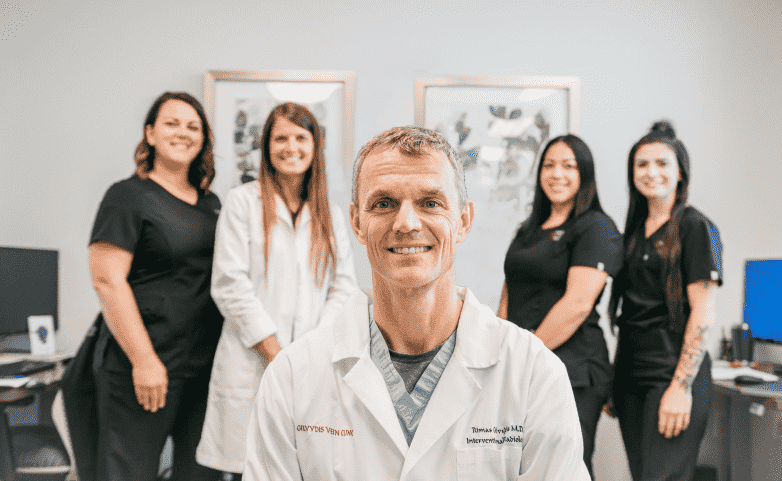
Dr. Rimas Gilvydis along side other vein specialists at Gilvydis Vein Clinic.

Get back to yourself.

We’re proud to be one of three vein centers in Illinois  with an IAC accreditation. Get back on your feet with a team of vein specialists who help you understand your vein treatment options.